Mmiri | Wai
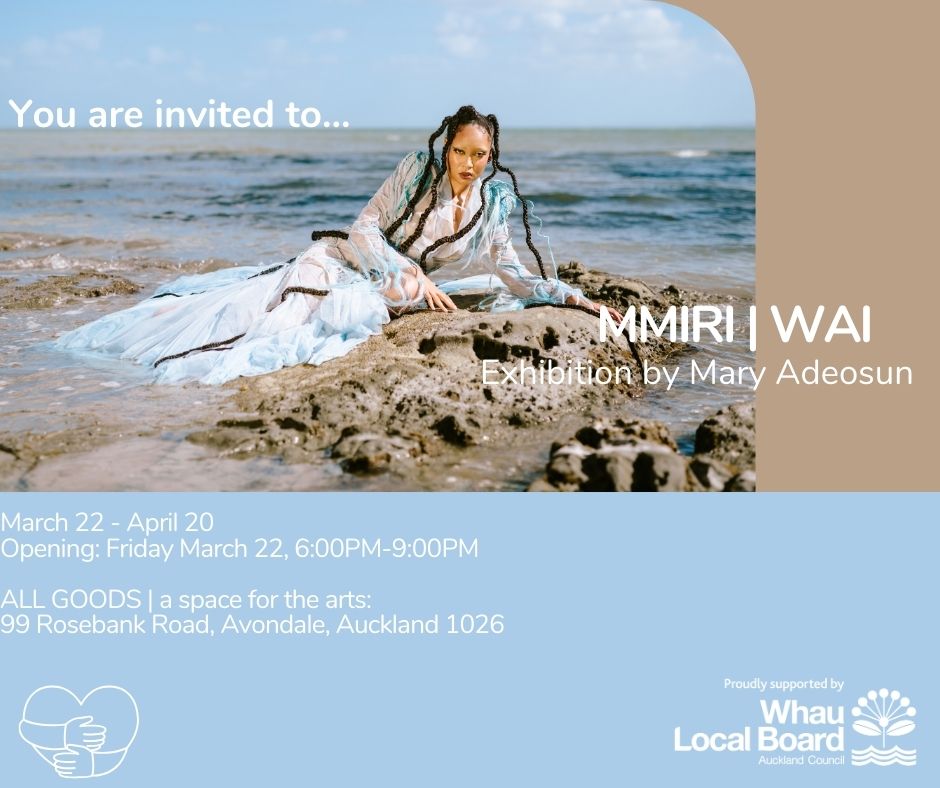
22nd March to 20th April 2024
Exhibition at ALL GOODS and GREAT NORTH RD GALLERY, Avondale
Greenbay, Blockhouse bay
Mmiri| Wai
Since 2021 I have built a connection & drawn inspiration from the waters at the Whau. Specifically Sandy Bay, Flounder Bay which are both neighboring to Blockhouse Bay. I’ve done a lot of projects there and would like to continue.
The degradation of the water environment can be traced to the disrespect and disdain for the sacredness of this element, usurped by modernity and non-indigenous religions. The result of this attitude towards this spiritual force is a gradual breakdown in the relationship between the human person and nature.
Relation through the element of water as a way to show respect for differences, similarities & journeys we each hold is important. I believe that a more profound relationship can be built through our connection to nature and our connection to the wai which we reside. To honor and to embody the gifts that have been passed down to us.
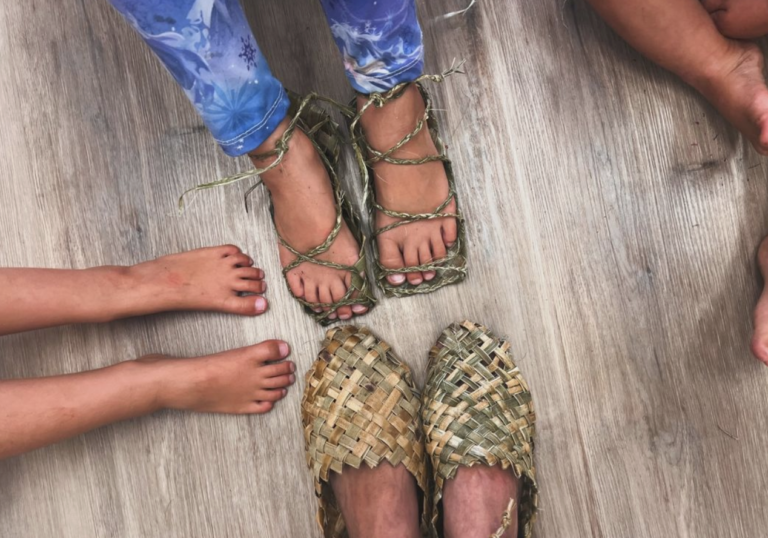
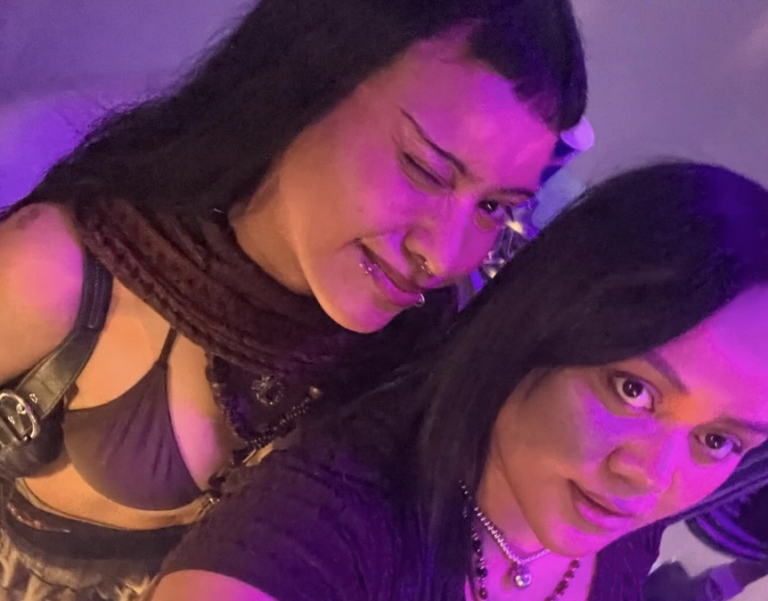
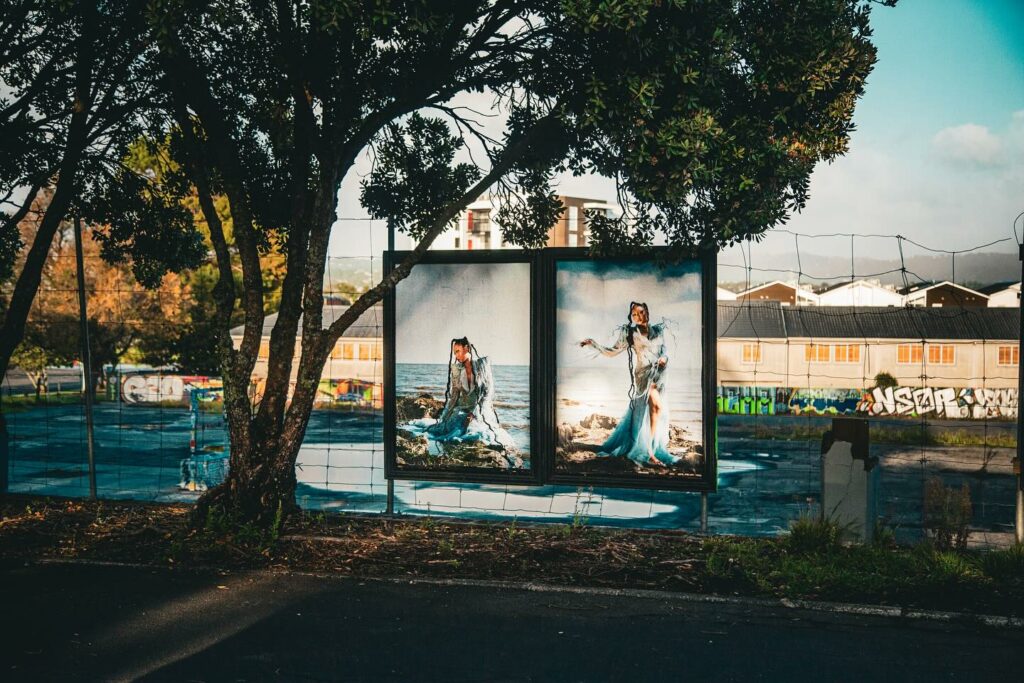
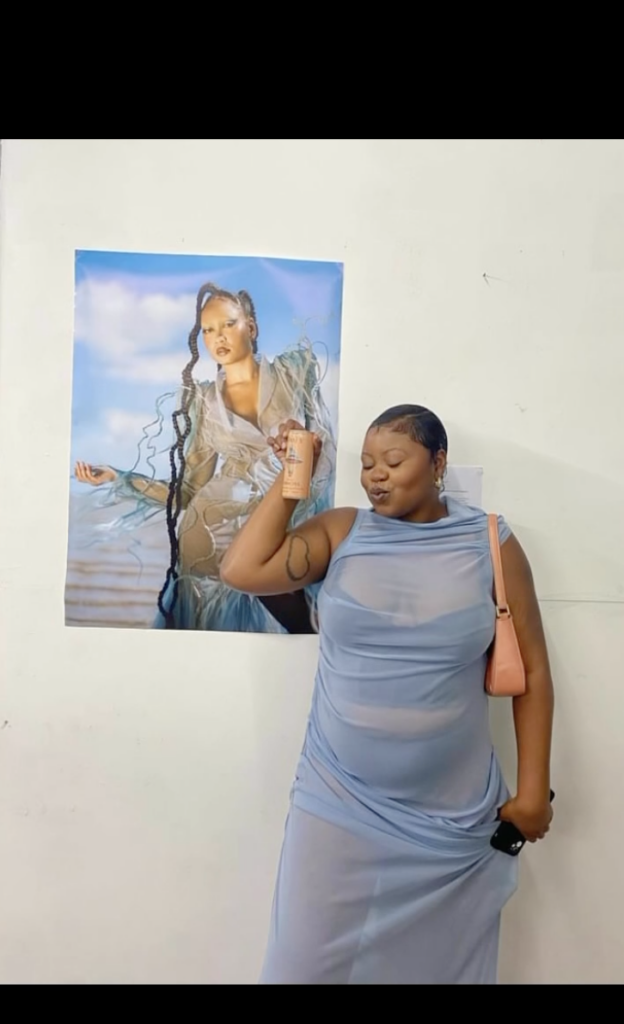
Mmiri| Wai is about honouring the element of water through fashion, photography and braided hair art. Followed by a workshop titled: “Marydahfairy’s Makers Meet” where myself and others within my community will gather and share space. The intention of this workshop is to have an open space for people who hold different stories, talents and journeys to share conversations about mmiri | wai, the Whau, the relationship to braiding or whatever gifts they hold.
I hope to showcase A3 posters within the Whau. Photographs at the NZ Pan-Afrikan Community as well as hold the workshop there in case there is wet weather. I am still waiting for a response from them. Alternatively the local library or any other galleries in the Whau.
Mmuo Mmiri is a female deity with variant names, and the sustainer of sea life, the bringer of hope, provider of help and protection, the bringer of gifts and exotic things. Indeed, she is said to hold the key to the gate that leads to the world of solutions. Whenever the Igbo pray, he or she does not forget to add ka uzo anyi buru uzo mmiri, which means, “may our journey follow the path of the stream”. It is she who guides people to exotic lands, and chooses to permit human beings to travel and reach their destinations on top of the sea (Kanu 2013, 2015). –
As water resources continue to diminish in different parts of the world as a result of the global climate change, exploitation of nature and growth in population, and the growing need for an alternative approach to relating with nature,
KANU, I. A. (2022). Chapter 3: Ecological Significance of Mmuo Mmiri (water spirits) in Igbo Philosophy And Religion. In African eco-philosophy: Cosmology, consciousness and the environment (pp. 31–39). essay, AUTHORHOUSE UK.